

It started like any other day.
A shipment was scheduled to move from overseas to a US distribution center. The timeline was tight, but manageable. The costs were locked in. Everyone, from procurement to operations, felt confident. Then the email came in.
New tariffs had been announced overnight. Suddenly, the cost structure shifted. Margins disappeared. The shipment that made sense yesterday no longer worked today. Teams scrambled to recalculate duties, rethink routing, and explain the impact to leadership.
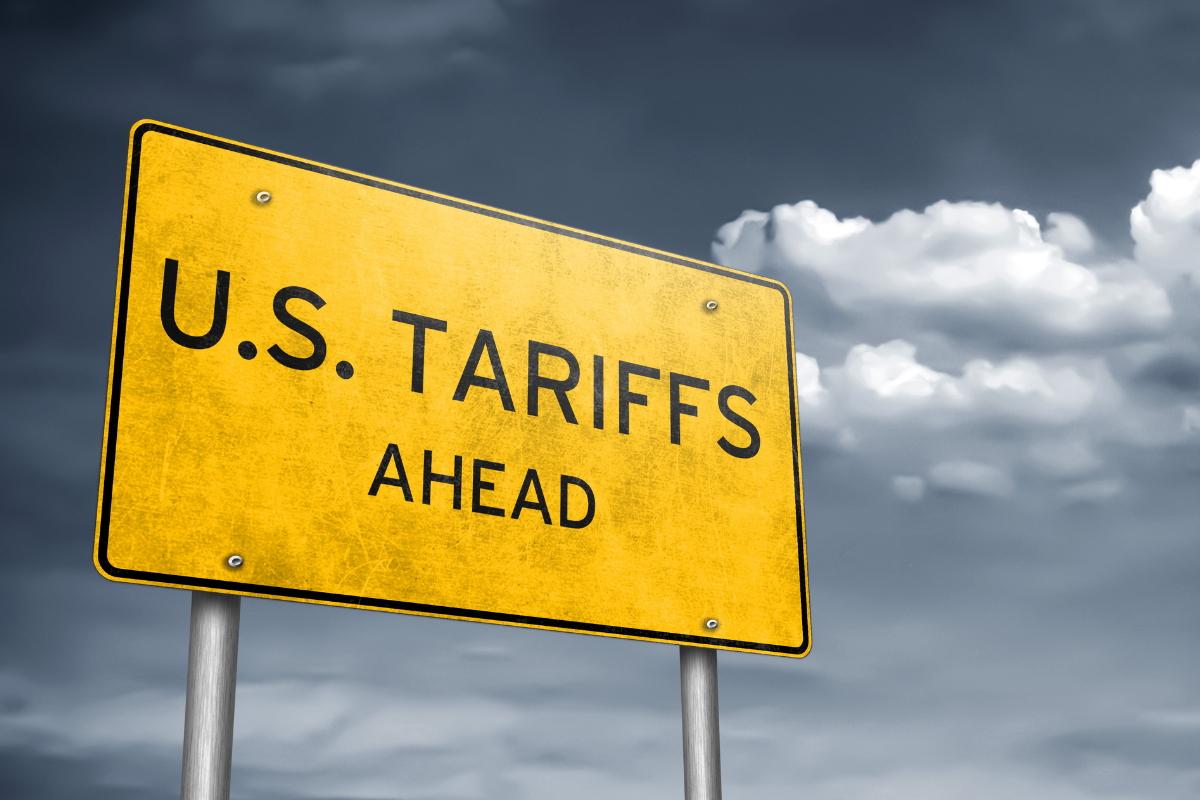
Situations like this are becoming part of everyday logistics operations where tariffs and trade policy can shift quickly, often with little warning.
Why Tariffs Matter More Than Ever
Tariffs have always played a role in global trade, but today’s environment feels different. Policies are changing more frequently, and decisions made at the government level can have immediate consequences for businesses moving freight across borders.
For logistics teams, this creates a constant layer of uncertainty. This is why tariffs are a central factor in how supply chains are designed, managed, and optimized.
The Ripple Effect Across the Supply Chain
When tariffs change, the impact extends far beyond a line item on an invoice. The effects move through every part of the supply chain, often in ways that are not immediately obvious.
Costs are usually the first and most visible challenge. Even a modest increase in tariffs can significantly raise the total landed cost of goods. Products that once delivered strong margins can quickly become difficult to justify.
From there, sourcing decisions often shift. Companies may look to new regions or suppliers to reduce exposure, which introduces new variables. Different suppliers bring different lead times, quality standards, and transportation challenges. What looks like a cost-saving move can create operational complexity if not carefully managed.
Routing is another area that becomes more complicated. Logistics teams may explore alternative ports or transportation modes to offset tariff impacts, which can add time and coordination requirements. At the same time, compliance expectations continue to grow. Accurate documentation, correct product classification, and proper reporting are essential, as mistakes can lead to delays or penalties.
Inventory strategies also tend to change in response. Some companies accelerate shipments to get ahead of tariff increases, while others delay decisions in hopes that policies will shift again. Both approaches can create imbalances that ripple through warehousing and distribution.
What Preparation Looks Like Today
In this environment, preparation is about building a supply chain that can adjust without breaking. Flexibility has become one of the most valuable assets a logistics team can develop.
This often starts with diversification. Relying too heavily on a single supplier or region increases exposure to sudden policy changes. Expanding sourcing options across multiple regions provides more control when conditions shift.
Visibility is equally important. Logistics teams need a clear understanding of their true landed costs, including duties, fees, and transportation expenses. Without that clarity, decision-making slows down at the exact moment speed matters most.
There is also a growing need for deeper trade compliance knowledge. Understanding how products are classified, where they originate, and how regulations apply is essential for avoiding costly mistakes. This is not just a back-office function anymore. It plays a direct role in strategic planning.
Staying informed has become a daily responsibility rather than an occasional check-in. Trade policies are influenced by global events, economic priorities, and political decisions. Teams that actively monitor these changes are better positioned to respond quickly and confidently. Learn more about Onshoring & Tariff rates.
Finding Opportunity in Uncertainty
While tariffs create challenges, they also open the door for smarter strategies. Companies that adapt effectively can find ways to operate more efficiently than their competitors.
Some organizations use this environment as a reason to reevaluate their entire supply chain. They identify inefficiencies that may have gone unnoticed in more stable conditions and take steps to improve them. Others explore new shipping methods or optimize their freight mix to balance cost and speed more effectively.
There is also an advantage in responsiveness. When policies shift, companies that can quickly adjust sourcing, routing, or inventory strategies often maintain stronger service levels while controlling costs more effectively. Over time, these adjustments can lead to a more resilient and competitive operation.
How TOP Worldwide Helps You Stay Ahead
At TOP Worldwide, we understand how quickly trade conditions can change and how much pressure that puts on logistics teams. Navigating tariffs and evolving policies requires both experience and the ability to act quickly.
Our team works closely with yours to evaluate your current strategy and identify opportunities to improve flexibility and cost control. Whether that means adjusting transportation modes, exploring new routing options, or strengthening communication across your supply chain, we focus on solutions that keep your freight moving efficiently.
We also prioritize visibility and communication, so you are never left reacting without the information you need. In a fast-changing environment, having a partner who stays aligned with your goals can make a measurable difference.
Looking Ahead
Global trade is more dynamic than ever. Tariffs and policy changes are now a regular part of the logistics landscape, and they influence decisions at every level of the supply chain.
Teams that invest in flexibility, stay informed, and build strong partnerships are better equipped to manage these changes. With the right approach, challenges can be managed effectively, and new opportunities can emerge.
Don’t let shifting tariffs disrupt your supply chain. Partner with TOP Worldwide to build a logistics strategy that adapts with the market and keeps your business moving forward.
Contact us today to start optimizing your freight and navigating trade changes with confidence.