

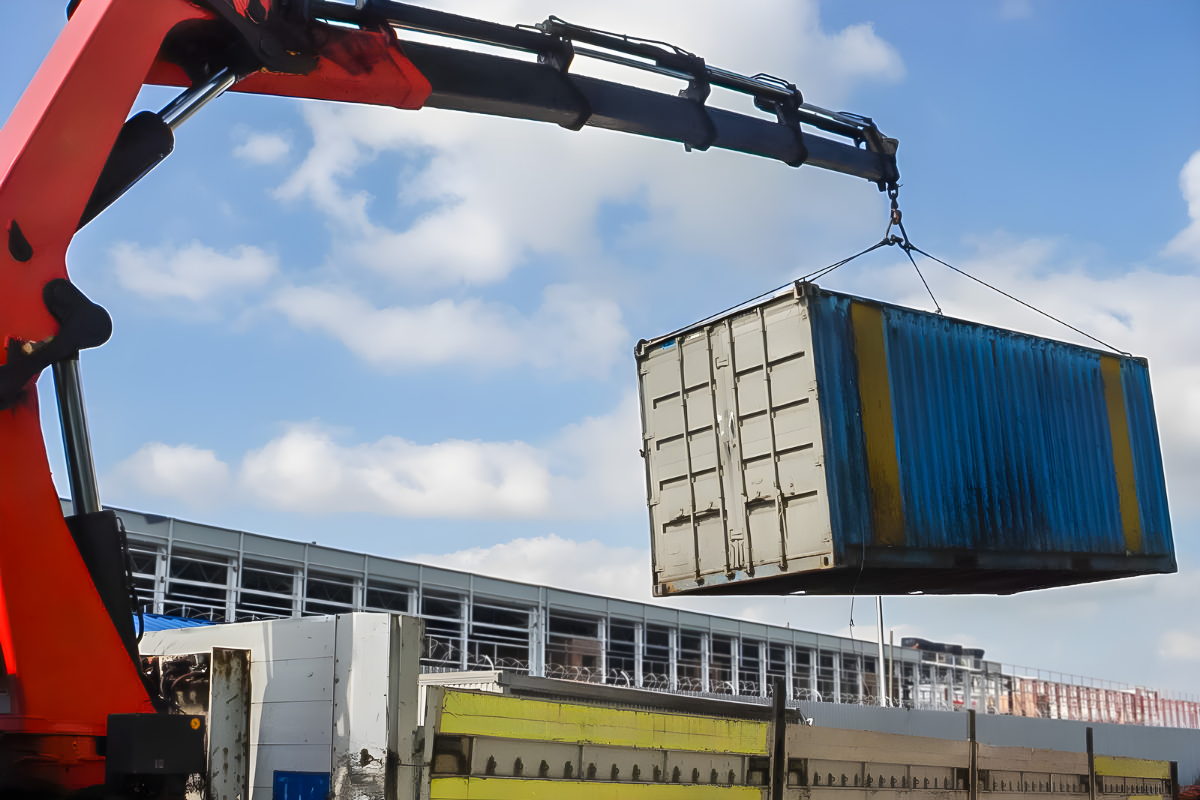
The container just landed at the port, but your supply chain is already under pressure. The driver is delayed. The terminal is congested. The appointment window is shrinking. Costs are climbing by the hour. Somewhere in the middle of it all, your customer is still expecting on-time delivery. This is the reality of today’s container drayage market. It moves fast, shifts constantly, and rarely gives much warning before things tighten up.
Companies that perform well in this environment are not the ones trying to eliminate disruption. They are the ones that understand how the system works, stay ahead of timing issues, and build strong coordination across every step of the move.
Beating the container drayage market comes from understanding pressure points, planning ahead, and working with the right logistics provider to keep freight moving when conditions tighten.
Why the Container Drayage Market Feels Unpredictable
Drayage sits at one of the most sensitive points in the supply chain. It connects ocean ports with warehouses, rail ramps, and distribution centers. Because everything depends on timing at the port, even small disruptions can quickly turn into larger delays.
The container drayage market is influenced by many moving factors at once. Port congestion can increase without notice. Carrier capacity shifts daily. Equipment availability changes by region and season. Weather events, labor constraints, and import surges all add pressure in different ways.
The challenge is that containers do not wait. They arrive on vessel schedules that are outside of shipper control. If the truck is not positioned correctly or the appointment is missed, costs begin to accumulate quickly through storage, demurrage, and detention fees.
That is what makes drayage one of the most reactive parts of logistics. Small breakdowns create immediate consequences.
Fragmentation Creates Friction
One of the biggest operational challenges in the container drayage market is fragmentation. Many supply chains rely on multiple carriers, brokers, terminals, and warehouses that operate on separate systems and timelines.
When communication is not aligned, gaps appear. A container may be available, but the pickup order is not confirmed. A driver may be dispatched, but the terminal appointment was never secured. A warehouse may be ready, but the container is still sitting at the port.
Each disconnect adds time and cost. Over time, those inefficiencies compound into missed schedules and higher freight spend. Stronger coordination closes those gaps. When all parties are working from the same information, moves become smoother and more predictable.
Planning Creates Stability in a Volatile Market
Strong drayage performance begins before the container even arrives at the port. Companies that consistently perform well are planning ahead using vessel tracking, terminal patterns, and carrier capacity forecasts.
This allows them to anticipate constraints instead of reacting to them. When a terminal becomes congested, they already have alternatives in place. When capacity tightens in one region, they can shift volume to another carrier network.
Planning also improves flexibility. Instead of relying on a single option for each move, strong logistics strategies include backup coverage and alternate routing. That flexibility keeps freight moving even when conditions change unexpectedly.
The container drayage market rewards preparation. The earlier decisions are made, the more control teams have over outcomes.
Communication Drives Execution
In drayage, timing is everything, and timing depends on communication. Real-time updates help teams know exactly where containers are, when they are available, and when they are moving. Without that visibility, decisions are delayed and small issues turn into larger disruptions.
Strong communication does more than share updates. It connects dispatch, carriers, ports, and warehouses into a single workflow. When everyone is aligned, decisions can be made quickly and accurately.
The difference between a smooth move and a delayed one often comes down to how quickly information is shared and acted on.
Cost Control Starts With Timing
When companies talk about drayage costs, the focus often goes straight to rates. But in practice, the biggest expenses usually come from timing issues.
Demurrage, detention, missed appointments, and storage fees can quickly exceed the actual transportation cost of the move. A low-cost carrier that misses a pickup window can become far more expensive than a slightly higher-priced but reliable option.
Strong operators focus on total landed cost instead of individual line items. They prioritize consistency, on-time performance, and reduced dwell time because those factors directly reduce downstream costs.
Relationships Strengthen Performance
When capacity tightens, relationships matter more. Carriers tend to prioritize partners they trust, especially during peak periods or constrained conditions.
That trust is built through consistent execution, accurate documentation, and clear communication. Over time, strong relationships create better access to capacity and more reliable service during high-demand periods.
Ports and terminals also respond more efficiently to partners who understand procedures and operate smoothly within their systems. Small operational advantages can make a meaningful difference when the market is under pressure.
Technology Improves Visibility and Control
Technology continues to reshape how companies operate within the container drayage market. Real-time tracking, automated notifications, and integrated logistics platforms provide visibility that was not possible in the past.
Instead of relying on manual updates, teams can now monitor container status as it moves through each stage of the journey. That visibility improves planning, speeds up response times, and reduces uncertainty.
However, technology is most effective when it supports strong operational processes. The best results come when systems, people, and partners are all working together in alignment.
How TOP Helps Shippers Stay Ahead
At TOP Worldwide, success in the container drayage market comes from coordination, visibility, and execution. Every move is managed with timing in mind, from port pickup through final delivery. Strong carrier relationships help secure capacity when the market tightens. Real-time visibility gives customers clear insight into where their freight is and what is happening at each stage.
The goal is to reduce friction, avoid unnecessary delays, and keep supply chains moving consistently, even when market conditions shift.
When drayage becomes unpredictable, having a logistics partner focused on execution and communication helps bring stability back into the process. Companies that perform well in this environment are the ones that stay organized, plan ahead, and maintain strong coordination across every step of the process. With the right structure in place, drayage becomes far more manageable, even in challenging conditions.
If your supply chain is feeling the pressure of today’s container drayage market, TOP Worldwide can help you build a more reliable and efficient strategy. Let’s improve visibility, reduce delays, and keep your freight moving with confidence. Connect with TOP Worldwide today.