

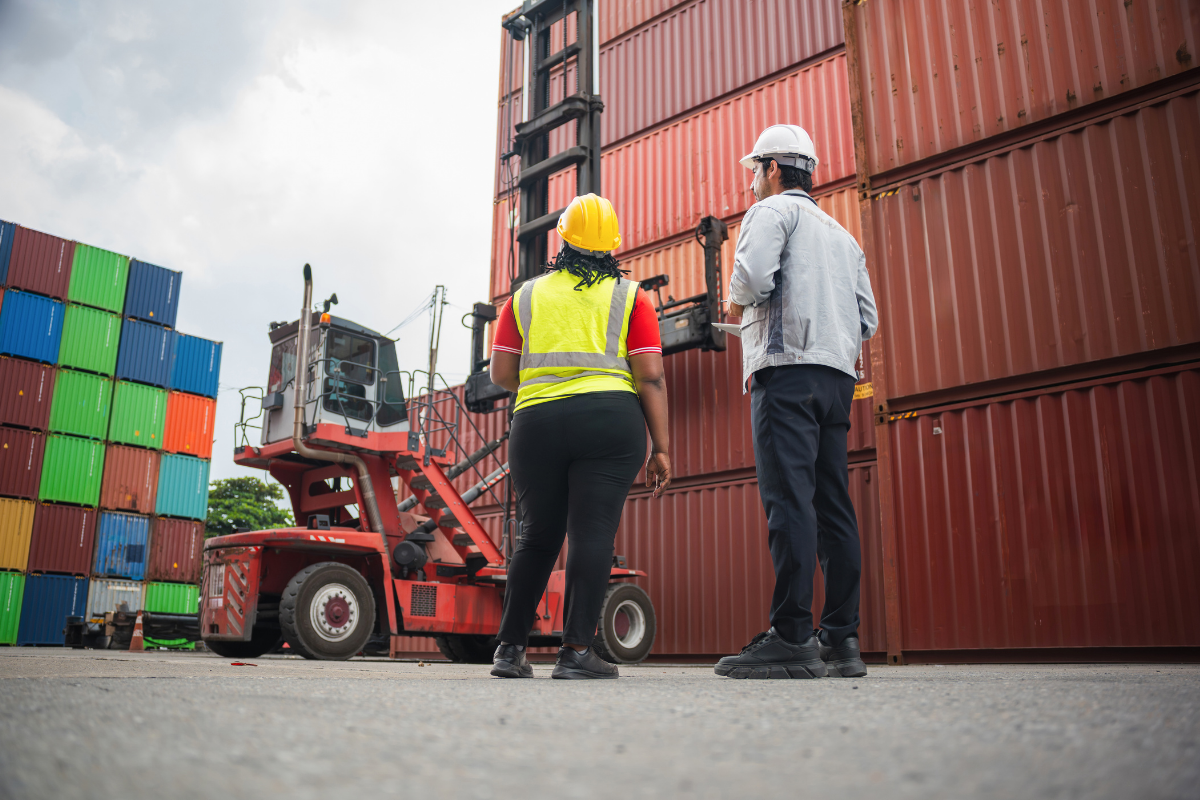
Container drayage is often viewed as a short, routine move in the supply chain: a simple transfer of an ocean container from a port or rail to its next destination. However for many shippers, drayage quietly becomes one of the most unpredictable and expensive parts of the transportation process.
Drayage costs are heavily influenced by broader port conditions, capacity constraints, and market dynamics, which we break down in detail in our blog on Understanding the Container Drayage Market.
While base drayage rates are usually straightforward, the hidden costs tied to delays, inefficiencies, and poor coordination can quickly erode margins. As a result, detention, demurrage, chassis issues, missed appointments, and lack of visibility all contribute to rising logistics spend, often without warning.
Today we take a look at the true cost of container drayage, where those costs come from and how working with an experienced logistics partner like TOP Worldwide helps shippers regain control, improve performance, and protect their bottom line.
Why Container Drayage Costs Are So Hard to Predict
Unlike long-haul transportation, container drayage operates within highly constrained environments. Ports, rail terminals and urban infrastructure all introduce variables that can’t be solved by mileage alone.
Drayage costs are influenced by:
- Terminal congestion and dwell time
- Equipment availability (chassis and containers)
- Appointment system constraints
- Labor availability and port operating hours
- Compliance and credentialing requirements
- Communication gaps between stakeholders
Because these factors change daily or hourly, drayage pricing can feel reactive rather than planned. Ultimately, this volatility makes the right systems and logistics partners essential.
The Most Common Hidden Costs in Container Drayage
1. Detention Fees
In simple terms, detention occurs when a container is held outside the terminal longer than the allotted free time. These fees are typically charged by the ocean carrier and can escalate rapidly.
Common causes include:
- Delayed pickup due to port congestion
- Warehouse scheduling conflicts
- Lack of available drivers or chassis
Without proactive coordination, detention can turn a low-cost drayage move into a high-cost problem.
2. Demurrage Charges
Similarly, demurrage fees apply when containers remain at the port or rail terminal beyond the allowed free days. These charges are designed to keep freight moving. But when congestion or miscommunication occurs, they often penalize shippers unfairly.
Demurrage risk increases when:
- Containers are not tracked closely after vessel arrival
- Appointments are missed or unavailable
- Terminals experience labor slowdowns
Effective demurrage management requires constant monitoring and fast decision-making.
3. Chassis Shortages and Equipment Imbalance
Meanwhile, chassis availability remains one of the most persistent challenges in container drayage. Even when a container is ready, the lack of a chassis can delay pickup for days.
Hidden costs related to chassis shortages include:
- Missed pickup windows
- Storage fees at terminals
- Increased labor and rescheduling costs
A drayage provider with strong equipment access and carrier relationships can dramatically reduce these risks.
4. Missed Appointments and Failed Moves
At the same time, ports and rail ramps rely heavily on appointment systems. Missing an appointment doesn’t just delay a shipment, it can push pickup to the back of the line.
Failed moves lead to:
- Additional drayage charges
- Extended container dwell time
- Higher detention and demurrage exposure
Precise appointment coordination is one of the most effective cost-control strategies in drayage.
5. Poor Visibility and Reactive Decision-Making
Many shippers don’t realize how much money is lost simply due to lack of visibility. When container status updates are delayed or incomplete, teams are forced to react instead of plan.
Poor visibility often results in:
- Late warehouse preparation
- Missed rail connections
- Unnecessary expedited freight
Real-time container visibility transforms drayage from reactive to strategic.
How Container Drayage Impacts Total Landed Cost
Drayage may represent a small percentage of overall transit distance, but it has an outsized impact on total landed cost.
If container drayage inefficiencies occur, costs ripple outward:
- Inventory sits idle longer
- Production schedules are disrupted
- Customer delivery windows are missed
- Expedited freight becomes necessary
For manufacturers, retailers, and distributors, these downstream effects can far exceed the original drayage expense.
Proactive Strategies to Control Container Drayage Costs
Advance Planning and Pre-Arrival Visibility
Monitoring vessel schedules and container availability before arrival allows teams to secure appointments and equipment early. This reduces last-minute scrambles that lead to premium costs.
Strong Carrier and Port Relationships
Drayage providers with deep port experience and trusted carrier networks can navigate congestion, labor issues, and equipment shortages more effectively.
Integrated Freight Management
When drayage is managed separately from ocean freight, intermodal, or truckload transportation, communication gaps appear. Integrated freight management reduces handoffs and improves accountability.
Technology-Enabled Tracking
Real-time tracking platforms provide:
- Live container status
- Gate-in and gate-out visibility
- Automated alerts for delays
This data enables smarter decisions and faster problem resolution.
How TOP Helps Shippers Reduce Container Drayage Risk
At TOP Worldwide, container drayage is managed as a critical control point, not an afterthought. Our approach focuses on visibility, coordination, and accountability.
Nationwide Drayage Network
We partner with experienced drayage carriers across major U.S. ports and rail ramps, ensuring flexible capacity even during peak periods.
Appointment and Compliance Management
Our team manages:
- Port and rail appointments
- Driver credentials and compliance
- Equipment coordination
This reduces failed moves and keeps containers flowing.
End-to-End Logistics Integration
Drayage is fully aligned with TOP Worldwide’s:
- Ocean freight solutions
- Intermodal transportation
- Full truckload shipping
- Less-than-truckload (LTL) services
- Expedited freight options
This integrated model reduces delays and lowers total transportation spend.
Proactive Communication
We provide consistent updates and early warnings when issues arise, allowing shippers to act before costs escalate.
Import vs. Export Drayage: Different Risks, Same Need for Control
The Risks
Import shipments face higher exposure to demurrage, terminal congestion, and warehouse scheduling conflicts. Speed and visibility are critical.
Export Drayage Risks
Export drayage requires precise timing to meet vessel cutoff windows. Missed deadlines can result in rollovers and added storage costs.
In both cases, proactive coordination is the key to cost control.
The Long-Term Value of a Strategic Drayage Partner
Choosing the right drayage partner isn’t just about rate, it’s about reliability, transparency, and risk mitigation.
A strategic drayage provider delivers:
- Predictable costs
- Faster container turn times
- Reduced detention and demurrage
- Improved supply chain resilience
Over time, these benefits translate into lower total landed cost and stronger customer performance.
Turning Drayage from a Cost Center into an Advantage
Container drayage will always involve complexity, but it doesn’t have to be unpredictable or expensive.
By identifying hidden costs, improving visibility, and partnering with an experienced logistics provider like TOP Worldwide, shippers can transform drayage into a competitive advantage instead of a recurring headache.
If your business is looking to reduce drayage risk, control costs, and keep freight moving smoothly from port to destination, TOP Worldwide is ready to help.
Because when drayage runs smoothly, the rest of your supply chain does too.
 Jeff Berlin
is the Chief Operating Officer of E.L. Hollingsworth & Co. and serves as the Senior Operations Executive for TOP Worldwide and Native American Logistics. With over 30 years of experience leading logistics and trucking companies, he brings deep industry expertise to his role. Jeff is also a CDL-A driver and a private pilot.
Have a question about freight? Call or text Jeff directly at (810) 656-6343 or jberlin@elhc.net.