

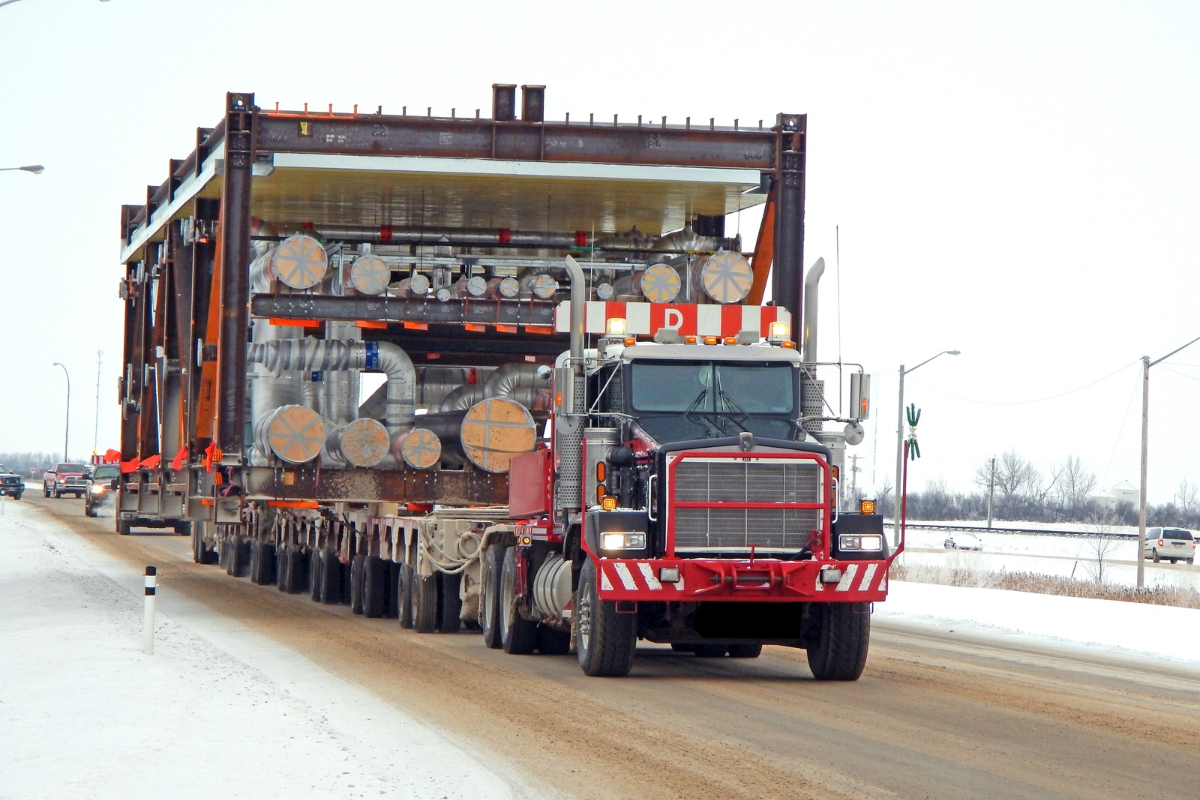
Most freight moves according to a fairly predictable routine. A shipment is picked up, transported, and delivered within an expected timeframe. But what happens when a shipment falls outside the normal routine?
Maybe the freight is unusually large, requires specialized equipment, involves multiple pickup or delivery locations, or needs to arrive within a narrow project window. Perhaps it is a one-time shipment that doesn’t fit your company’s regular transportation schedule.
These situations can create challenges that go well beyond finding an available truck.
Unusual and project-based shipments require careful planning, the right transportation resources, and consistent communication. Without those pieces in place, even a single complicated shipment can create delays, unexpected costs, and disruptions to a larger operation.
For shippers, understanding what goes into coordinating these moves can make a significant difference.
Why Nonstandard Shipments Require a Different Approach
Standard freight shipments often follow established processes. Shippers know the typical dimensions, weight, pickup locations, delivery schedules, and equipment requirements. Transportation providers can use that information to identify available capacity and coordinate the move.
Nonstandard shipments are different.
A shipment may require a specific trailer type, additional loading considerations, special handling, or coordination between several parties. Project freight may also involve multiple deliveries that must arrive in a particular sequence to keep work moving.
Consider a manufacturer relocating equipment to a new facility. The move may involve several shipments, different equipment requirements, specific delivery windows, and coordination with installation crews. A delay involving one shipment could affect the entire project schedule.
These are the situations where transportation planning becomes especially important.
The first step is recognizing that the shipment needs more attention before it ever leaves the facility.
1. Start With the Details, Not Just the Pickup Date
One of the biggest mistakes shippers can make is treating an unusual shipment like a standard load.
Before transportation is arranged, the details need to be understood. This includes more than the shipment’s origin, destination, and requested delivery date.
Important considerations may include:
- Dimensions and weight: Accurate measurements help determine the appropriate equipment and transportation requirements.
- Equipment specifications: Certain shipments may require flatbeds, step decks, specialized trailers, or other equipment depending on the freight.
- Loading and unloading: Dock availability, loading equipment, site access, and unloading requirements can all affect transportation planning.
- Delivery restrictions: Construction sites, manufacturing facilities, and other locations may have specific receiving hours or access limitations.
- Timing requirements: Some shipments must arrive within a specific window to accommodate installation schedules, production needs, or other project milestones.
Getting these details upfront helps identify potential complications before they become expensive problems.
It also gives transportation partners the information they need to evaluate available capacity and determine the best way to coordinate the shipment.
2. The Right Equipment Makes a Difference
Not every shipment can move on a standard dry van, and not every available truck is appropriate for every load.
Equipment selection is one of the most important parts of coordinating specialized or unusual freight.
Depending on the shipment, transportation may require a flatbed, step deck, box truck, refrigerated trailer, or another equipment configuration. Weight distribution, freight dimensions, loading requirements, and route considerations can all influence the decision.
Choosing the wrong equipment can lead to unnecessary delays, additional costs, or even a shipment that cannot be loaded as planned.
This is where access to a dependable carrier network becomes valuable.
Transportation providers with established carrier relationships can help identify qualified capacity based on the specific requirements of the shipment. Rather than relying on whoever happens to have an available truck, shippers can work with a transportation partner to evaluate equipment options and coordinate the right resources.
The goal is to match the transportation solution to the freight, the schedule, and the customer’s requirements.
3. Timing and Coordination Can Make or Break a Project
Project-based freight often operates on a different schedule than everyday transportation.
A shipment may be tied to a construction milestone, equipment installation, facility opening, production launch, or another time-sensitive event. In these situations, delivery timing is directly connected to the success of a larger operation.
For example, imagine a manufacturing company waiting for several pieces of equipment before a new production line can become operational. Delivering one shipment late could leave installation crews waiting and delay the entire launch.
That makes coordination especially important.
When multiple shipments are involved, transportation planning should account for the overall schedule, not just individual pickup and delivery dates. Each shipment needs to be considered within the larger project timeline.
This may involve:
- Establishing realistic pickup and delivery windows.
- Coordinating multiple shipments and delivery locations.
- Confirming equipment availability in advance.
- Communicating schedule changes quickly.
- Monitoring shipments as they move.
- Maintaining communication between shippers, carriers, and receiving locations.
The more moving pieces involved, the more important it becomes to have someone overseeing the transportation process.
4. Communication Should Never Be an Afterthought
When a shipment involves unusual requirements or tight project deadlines, communication becomes just as important as transportation itself.
Shippers need to know where their freight is, whether it is on schedule, and whether anything has changed that could affect delivery.
A lack of communication can quickly create confusion. Receiving teams may not be prepared, equipment may not be available when the shipment arrives, and project schedules may need to be adjusted without enough notice.
Proactive communication helps prevent these situations.
A transportation partner should establish expectations early, provide updates throughout the shipment, and address potential issues before they become larger disruptions.
If a pickup appointment changes or a delivery window needs to be adjusted, the right people should know as soon as possible.
Visibility also plays an important role. Shipment tracking, customer portals, and performance reporting give shippers better insight into transportation activity and help them make informed decisions.
For project-based freight, that visibility can be especially valuable because one shipment may affect several other activities.
5. Planning Ahead Can Help Control Transportation Costs
Specialized and project-based shipments can come with additional transportation considerations. Equipment availability, scheduling requirements, route restrictions, and last-minute changes can all influence the final cost.
Waiting until the last minute to arrange transportation can limit available options.
When a shipment requires specific equipment or a qualified carrier, advance planning gives transportation providers more time to evaluate capacity and coordinate the move. It can also help identify potential issues before they lead to additional expenses.
That doesn’t mean every shipment can be planned months in advance. Unexpected requirements and changing project schedules are part of doing business.
However, providing as much information and lead time as possible can improve the chances of securing appropriate capacity.
Shippers should also look beyond the initial transportation rate when evaluating costs.
A lower rate may not represent the best overall value if it comes with unreliable service, poor communication, or a greater risk of delays. Missed delivery appointments, idle labor, production interruptions, and project delays can create expenses that extend far beyond the freight invoice.
Reliable execution and consistent communication should be part of the cost equation.
6. Flexibility Matters When Plans Change
Even the best transportation plans can encounter unexpected challenges.
Equipment may become unavailable. Weather conditions can affect transit times. Production schedules may change, or a project site may not be ready to receive a shipment.
When that happens, having access to additional transportation options can make a difference.
A transportation partner with established carrier relationships and market knowledge can help evaluate alternatives when the original plan needs to change. Depending on the situation, that may mean identifying different equipment, sourcing additional capacity, adjusting schedules, or coordinating a revised delivery plan.
Flexibility is particularly important for companies managing projects with multiple shipments or changing requirements.
The ability to respond quickly can help reduce disruptions and keep the larger operation on track.
Choosing a Transportation Partner for Complex Shipments
When evaluating a transportation provider for unusual or project-based freight, price should only be one consideration.
Shippers should look for a partner who takes time to understand the shipment, asks the right questions, and can explain how the transportation requirements will be addressed.
A few important questions to consider include:
- Do they have access to carriers with the appropriate equipment and qualifications?
- Can they coordinate shipments with multiple requirements or delivery locations?
- How will they communicate updates and potential delays?
- What visibility will be available throughout the transportation process?
- Can they respond when schedules or shipment requirements change?
- Do they understand how transportation decisions affect the customer’s broader operation?
The answers can help determine whether a provider is equipped to manage the shipment responsibly.
A strong transportation relationship also creates value beyond a single project. Over time, a provider becomes more familiar with the customer’s operations, expectations, and transportation challenges. That knowledge can make future shipments easier to coordinate and help identify opportunities for improvement.
How TOP Worldwide Helps Coordinate the Unexpected
At TOP Worldwide, we understand that transportation needs don’t always follow a predictable schedule.
Some shipments are routine. Others require additional planning, specific equipment, access to specialized capacity, or coordination around a larger project. Our approach starts with understanding what the customer needs and identifying the transportation resources that make the most sense for the shipment.
Through established carrier relationships, market knowledge, and shipment-specific coordination, TOP helps customers navigate transportation requirements that may fall outside their everyday shipping patterns.
Whether a customer needs support with a time-sensitive shipment, additional capacity for a project, or help coordinating a more complicated transportation requirement, our team works to identify the right resources and manage the details along the way.
We also believe communication should remain a priority from pickup through delivery. Customers need to know what is happening with their freight, have access to important shipment information, and feel confident that someone is paying attention to the details.
Every shipment has its own requirements. Taking the time to understand those requirements is where a good transportation solution begins.
The Bottom Line
Unusual and project-based shipments require more than a truck and a delivery appointment. They require planning, the right equipment, dependable carrier relationships, and people who understand how transportation fits into the bigger picture.
For shippers, having a transportation partner who can adapt to changing requirements and coordinate the details can help reduce disruptions, control costs, and keep important projects moving forward.
When your freight doesn’t fit the mold, having the right transportation partner makes all the difference.
Need help coordinating a shipment with unique requirements? Connect with TOP Worldwide to discuss your transportation needs.