

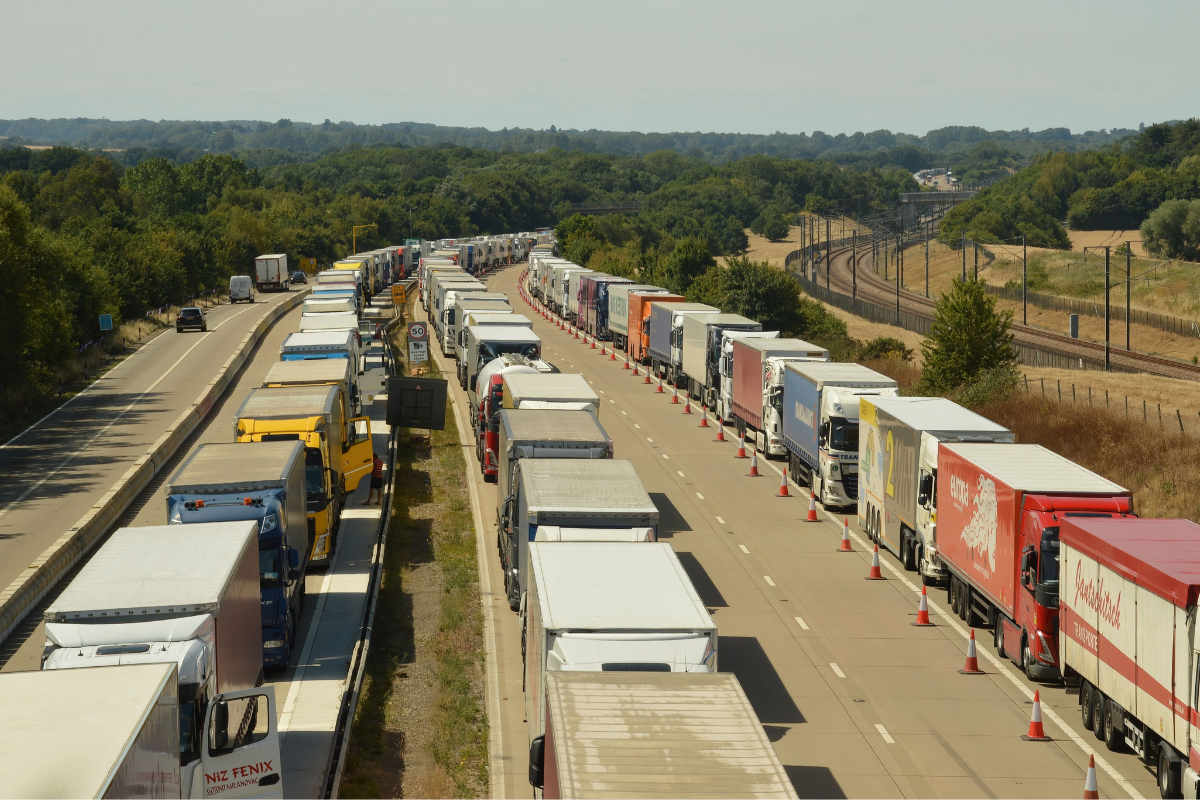
A truck misses an appointment. A shipment sits at a terminal longer than expected. A driver gets stuck waiting for a dock that was supposed to be ready hours ago.
Then the phone starts ringing.
Freight delays can turn a normal shipping day into a scramble. One late shipment can create a chain reaction that affects production schedules, inventory levels, customer deliveries, and your bottom line. And while some delays are completely outside your control, many can be reduced with better planning, communication, and the right logistics partner.
For shippers, understanding why freight delays happen is the first step toward preventing them.
What Causes Freight Delays?
Freight rarely gets delayed for just one reason. Transportation involves drivers, carriers, warehouses, distribution centers, weather, traffic, equipment, paperwork, and multiple people coordinating the same shipment. When one part of that process breaks down, the entire shipment can be affected.
Here are some of the most common causes of freight delays and what shippers can do about them.
1. Poor Planning and Scheduling
One of the biggest causes of freight delays starts before the truck ever arrives.
If pickup and delivery appointments are too tight, loading requirements are unclear, or there isn’t enough time built into the transportation schedule, problems can develop quickly.
For example, a shipment may require four hours to load but only have a two-hour pickup window. A driver who arrives on time could still leave late because the freight wasn’t ready.
Planning should account for the entire transportation process, not just the time a shipment spends on the road.
Before a shipment is booked, make sure the pickup and delivery windows are realistic. Confirm when the freight will be ready, how long loading and unloading are expected to take, and whether the facility has specific requirements for drivers. A realistic schedule gives everyone room to do their job correctly.
2. Inaccurate or Incomplete Shipping Information
Small mistakes in shipping information can create big problems: Incorrect addresses, missing appointment details, inaccurate dimensions, wrong freight classifications, or incomplete delivery instructions can slow down a shipment. In some cases, they can cause a driver to arrive at the wrong location or prevent a carrier from accepting the load in the first place.
This is especially important when dealing with complex shipments or multiple pickup and delivery locations. Before tendering a load, double-check the details. Make sure the carrier has the correct pickup and delivery addresses, contact information, hours of operation, appointment requirements, weight, dimensions, commodity information, and any special handling instructions.
3. Carrier Availability
Sometimes the problem is simple: there aren’t enough trucks available.
Capacity can change quickly depending on the market, season, geography, equipment type, and lane. A shipment requiring a specific type of equipment may be harder to cover than a standard dry van load.
Waiting until the last minute to secure transportation can make the situation even more difficult. Working with a broad network of qualified carriers can give shippers more options when capacity gets tight. A logistics provider with strong carrier relationships can also help identify alternatives when the first option falls through.
The earlier you communicate your transportation needs, the more opportunities your logistics team has to find the right solution.
4. Weather and Road Conditions
Some delays simply cannot be avoided. Severe storms, snow, ice, flooding, high winds, and other weather conditions can make roads dangerous or temporarily close major transportation routes. Even when a highway remains open, poor conditions can significantly slow traffic.
Weather delays are especially challenging because conditions can change quickly.
The best strategy is preparation. Monitor weather conditions along the entire route, not just at the pickup and delivery locations. If severe weather is expected, communicate with the carrier early and look at potential alternatives.
Sometimes that means adjusting a pickup time. Other times, it may mean changing the route or giving the shipment additional transit time. Building flexibility into the schedule can help prevent one weather event from becoming a major supply chain disruption.
5. Traffic and Unexpected Road Delays
A shipment can leave on time and still arrive late. Traffic accidents, construction, road closures, vehicle breakdowns, and other unexpected events can add hours to a trip. Major metropolitan areas can be especially difficult because traffic conditions may change dramatically throughout the day.
Route planning and real-time shipment visibility can help logistics teams respond when conditions change.
Instead of simply waiting for a shipment to arrive, transportation teams can monitor its progress and communicate potential delays before they become a surprise to the customer.
That early warning matters. Knowing a truck will arrive two hours late gives a warehouse time to adjust staffing or reschedule a dock. Finding out after the truck was supposed to arrive leaves everyone scrambling.
6. Loading and Unloading Delays
A truck can only move as quickly as the freight can be loaded and unloaded. Long wait times at facilities are a common source of transportation delays. Drivers may arrive on time but spend hours waiting for freight to be loaded, paperwork to be completed, or a dock to become available.
These delays can have a ripple effect. A driver who spends three hours waiting at one facility may then miss the next appointment.
Shippers can help reduce these problems by having freight ready when the driver arrives, providing accurate loading instructions, and communicating appointment requirements clearly.
Facilities should also track driver wait times and identify recurring bottlenecks. If trucks regularly wait several hours at a particular location, there may be an opportunity to improve the process.
7. Communication Breakdowns
Freight transportation involves a lot of moving pieces. When communication breaks down, delays become much more likely.
A carrier may not know that a delivery requires an appointment. A warehouse may not know a truck is running late. A customer may be waiting for an update that no one has provided.
Strong communication keeps everyone working from the same information. A good logistics team should provide updates throughout the shipment, especially when something changes. Clear communication allows problems to be addressed while there are still options available.
8. Equipment Problems
Mechanical problems happen: A truck can experience an engine issue. A trailer can develop a problem. Specialized equipment may not be available when needed. Even a small equipment issue can create a major delay if there isn’t another option nearby.
Carrier selection plays an important role here. Shippers should work with reliable carriers that maintain their equipment and have a track record of dependable service. For specialized freight, it’s also important to confirm that the carrier has the correct equipment before the shipment is scheduled.
Having backup options can also make a difference when equipment problems occur.
How Can Shippers Prevent Freight Delays?
No logistics strategy can eliminate every delay. Transportation is affected by too many variables. What shippers can do is reduce avoidable delays and create a plan for dealing with the unexpected. The process starts with good communication.
Give your transportation team as much information as possible before the shipment moves. The more they understand about the freight, timing, facilities, equipment requirements, and customer expectations, the better they can plan.
It also helps to avoid treating every shipment the same. A routine shipment may require a straightforward transportation plan. A time-sensitive automotive load, oversized shipment, or international move may require additional planning and monitoring. Your transportation strategy should match the shipment.
Build Flexibility Into Your Transportation Plan
Tight schedules can create unnecessary pressure. If a shipment has absolutely no room for delays, every part of the transportation process needs to be carefully planned. If there is some flexibility, building extra time into the schedule can help absorb minor disruptions.
This means understanding where risks exist and planning accordingly, instead of adding unnecessary days to the route.
For example, if a route regularly experiences heavy traffic during certain hours, scheduling around those conditions may reduce the risk of a missed appointment. If severe weather is expected, adjusting the timeline before the storm arrives may be better than reacting after the truck is already on the road.
Use Technology to Improve Visibility
Visibility can make a major difference in freight management. Transportation management systems, GPS tracking, electronic updates, and other logistics technology can give shippers better insight into where freight is and whether it is moving according to plan.
Technology alone won’t prevent every delay, but it can help teams identify problems sooner. The earlier a delay is identified, the more options there are to respond. A logistics team may be able to notify the receiver, adjust an appointment, communicate with the customer, or find another transportation solution before the situation becomes critical.
Work With a Logistics Partner You Can Trust
Managing freight involves much more than finding a truck. A strong logistics partner helps coordinate carriers, monitor shipments, communicate with facilities, and solve problems when plans change.
That support becomes especially valuable when a shipment is delayed. Instead of having to track down a carrier, contact a warehouse, research alternate capacity, and update the customer on your own, you have a team working on the problem with you.
At TOP Worldwide, we understand that freight rarely moves exactly according to plan. Our team works to keep shipments moving, provide visibility throughout the transportation process, and find solutions when unexpected challenges arise.
Because the real measure of a logistics partner isn’t how things go when everything is perfect. It’s how they respond when something goes wrong.
Preventing Freight Delays Starts Before the Truck Arrives
Freight delays may always be part of transportation, but they don’t have to become part of every shipment. Better planning, accurate information, reliable carrier relationships, realistic scheduling, proactive communication, and shipment visibility can all help reduce the risk. And when something unexpected happens, having an experienced logistics team in your corner can make the difference between a small delay and a major disruption.
Your freight has somewhere to go. Let’s help it get there.
Need help keeping your shipments on track? Contact TOP Worldwide to talk with a logistics team that can help you plan, manage, and solve your next freight challenge.