

A few years ago, a shipper came to us frustrated. Their freight costs were climbing, trucks were getting harder to secure, and every tight market seemed to hit them harder than the last. They were doing everything “right” on paper, yet their transportation strategy left little room to adapt.
After looking at their lanes, one thing stood out immediately. Nearly half of their freight was moving over 1000 miles all by truck. That is when we asked a simple question: Have you ever considered intermodal?
At first, the answer was hesitation. Rail sounded slower. Less flexible. Maybe even outdated. But after shifting just a portion of those long-haul shipments to intermodal, the results spoke for themselves. Costs came down. Capacity pressures eased. And suddenly, their supply chain felt a lot more stable.
That story is not unique. More and more shippers are asking the same question, and for good reason.
So, What Is Intermodal Really?
Intermodal transportation is not as complicated as it sounds. At its core, it simply means using more than one mode of transportation to move freight. In most cases, that is a combination of truck and rail.
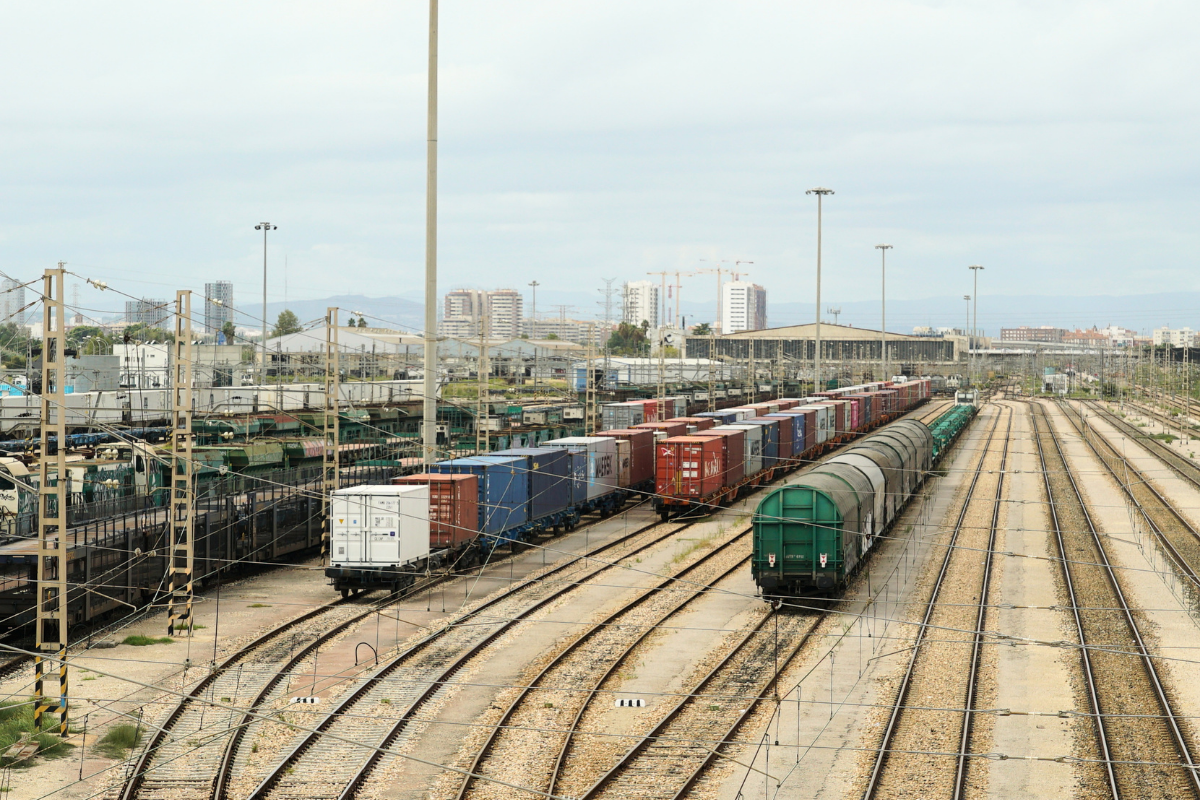
Picture a standard shipping container being loaded at a facility. A truck picks it up and takes it to a rail terminal. From there, it travels across the country by train. Once it reaches its destination, another truck handles the final delivery.
What makes this process efficient is that the freight inside the container never gets touched. It stays sealed the entire journey. That reduces handling, limits risk, and keeps things moving smoothly.
Why More Shippers Are Taking a Second Look at Rail
 For a long time, trucking dominated domestic freight, and for good reason. It is flexible, fast, and easy to adjust on the fly. But over the past decade, the landscape has changed.
Freight markets have become more unpredictable. Driver shortages continue to put pressure on capacity. Fuel costs rise and fall. And at the same time, companies are being asked to reduce emissions and operate more sustainably.
Rail and intermodal have stepped into that gap. Not as a replacement for trucking, but as a complement to it.
Think of it this way. If trucking is your go-to for speed and flexibility, intermodal becomes your tool for efficiency and stability. The strongest supply chains today are not choosing one or the other. They are blending both.
The Cost Conversation
Honestly, most conversations about intermodal start with cost. Rail is simply more efficient over long distances. A single train can move hundreds of containers at once, which spreads out fuel and labor costs in a way trucking cannot match.
For shipments that travel several hundred miles or more, those savings start to add up quickly. It is not uncommon to see noticeable reductions in transportation spend when the right lanes are converted.
But the cost is more about consistency. Truckload pricing can swing dramatically depending on market conditions. Intermodal tends to be more stable, which makes budgeting and forecasting a lot easier.
More Than Saving Money
One of the biggest misconceptions about intermodal is that it is cheaper. In reality, it solves several challenges at once.
Capacity, for example, has been a constant issue in the trucking industry. When demand spikes, it can become difficult to secure trucks at any price. Rail networks, on the other hand, are built to handle large volumes. That built-in capacity gives shippers another option when the truck market tightens.
There is also the sustainability angle. Rail is significantly more fuel efficient than trucking, which means fewer emissions per shipment. For companies focused on environmental goals, shifting even a portion of freight to intermodal can make a measurable impact.
Then there is the question of risk. Because freight stays in the same container from start to finish, there is less handling involved. Fewer touchpoints usually mean fewer opportunities for damage or loss.
When It Works and When It Doesn’t
Intermodal tends to work best for longer distances, especially when shipments are moving 700 miles or more. Those are the lanes where rail can really shine. If a delivery can handle a little flexibility in transit time, intermodal becomes even more attractive.
On the other hand, if a shipment is time-critical or only traveling a short distance, trucking is usually the better option. The same goes for locations that are far from rail terminals.
This is why the conversation should never be about replacing truckload entirely. It is about understanding your network and identifying where intermodal makes sense.
What the Process Feels Like in Practice
For shippers who are new to intermodal, the process can seem unfamiliar at first. But once you see it in action, it becomes much easier to understand.
It starts with a short truck move, often called drayage, from the shipper’s facility to a rail terminal. From there, the container is loaded onto a train and begins the long-haul portion of the trip. When it arrives at the destination terminal, another truck handles the final delivery.
Yes, there are more steps involved than a typical truckload shipment. But those steps are structured and predictable. With the right planning and coordination, the process becomes just as reliable as traditional trucking.
The Trade-Offs You Should Expect
No transportation mode is perfect, and intermodal is no exception. Transit times can be a bit longer compared to truckload, and they are not always as flexible. Once a container is on the rail, making changes mid-transit is not easy. That means planning ahead is important.
There can also be variability depending on factors like weather or terminal congestion. These are not daily issues, but they are part of the equation. The key is setting the right expectations upfront. When intermodal is used in the right situations, those trade-offs are often outweighed by the benefits.
A Smarter Way to Think About Your Freight
The most successful shippers today are asking how to use truckload and intermodal more effectively. They look at their network lane by lane. Short-haul and urgent freight stays on trucks. Long-haul, cost-sensitive freight shifts to rail. When market conditions change, they adjust.
This kind of flexibility creates a more resilient supply chain. It also opens the door to better cost control and improved performance over time.
Where Things Are Headed
Rail and intermodal are not going away. In fact, they are becoming a bigger part of the conversation every year. Rail providers continue to invest in infrastructure, technology, and service improvements. At the same time, the pressures facing the trucking industry are not disappearing.
All signs point to continued growth in intermodal as more shippers look for ways to balance cost, capacity, and sustainability.
How TOP Worldwide Fits In
At TOP Worldwide, we have these conversations every day. They’re a way to help our customers build smarter strategies. Sometimes that means introducing intermodal for the first time. Other times, it means refining an existing program and finding new opportunities to improve. The goal is always the same. Use the right mode for the right shipment, and create a transportation plan that can adapt as your business grows.
Going back to that shipper we mentioned at the beginning, their biggest takeaway was not just the cost savings. It was the sense of control they gained. Instead of a single solution, they had options. And in today’s environment, that’s everything.
Ready to Explore Intermodal?
If you’re moving long-haul freight and looking for ways to reduce costs, improve stability, and build a more flexible supply chain, intermodal might be worth a closer look.
TOP Worldwide can help you evaluate your lanes, understand the trade-offs, and put together a strategy that actually works in the real world. Reach out to our team today and start building a smarter way to move freight.